

Health & Safety
We are dedicated to providing you important resources to help you stay safe and healthy while you are in Johnson County, Kansas. This is the place to find emergency phone numbers, sign up for emergency alerts, connect to public health information and protect yourself during extreme heat or severe weather. Learn about our preparations to help keep you healthy as well as our emergency preparedness plans.
Important Phone Numbers
Call 911 for immediate threats to life, safety or property, such as crimes in progress, fires, medical emergencies or active violence. Use local non-emergency numbers for incidents that don't need immediate assistance. If someone calls 9-1-1 and doesn't speak English, they will be transferred to Language Line Services where an interpreter will translate all questions and answers. Learn more about 9-1-1.
Emergency Numbers
Emergency: 9-1-1
Johnson County Mental Health Center Crisis Line: 913-268-0156
988 Suicide & Crisis Lifeline: 9-8-8
Non-Emergency Numbers
Johnson County Sheriff's Office: 913-782-0720
(also the cities of De Soto, Edgerton, Merriam, Olathe, Roeland Park and Spring Hill)
Fairway Police Department: 913-262-2364
Gardner Police Department: 913-856-7312
Lake Quivira Police Department: 913-787-2625
Leawood Police Department: 913-642-7700
Lenexa Police Department: 913-477-7301
Mission Police Department: 913-676-8300
Mission Hills Police Department: 913-642-6868
Overland Park Police Department: 913-895-6300
Prairie Village Police Department: 913-642-5151
Shawnee Police Department: 913-631-2150
Westwood Police Department: 913-362-3737
(also Mission Woods and Westwood Hills)
Emergency Alerts
NotifyJoCo is a free mass notification system designed to keep people in Johnson County informed of emergencies and certain non-emergency events.
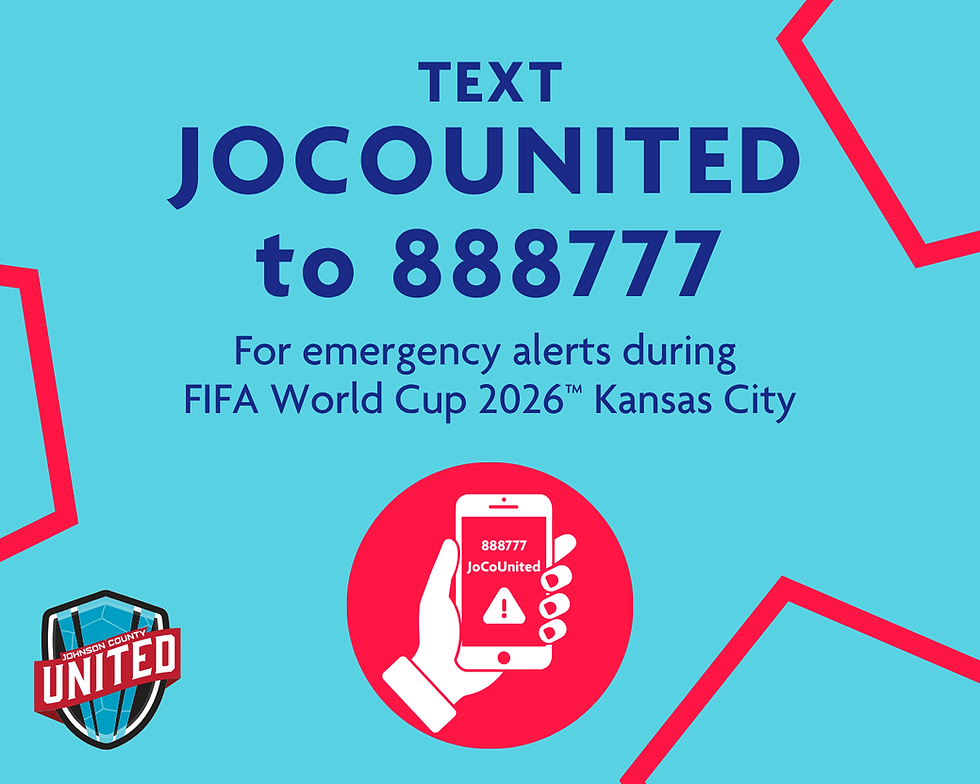
Through NotifyJoCo, we can send you emergency alerts related to weather, issues with drinking water, public safety alerts and more. All you need to do is text "JoCoUnited" to 888777 to opt-in to emergency alerts from Johnson County, Kansas.
Severe Weather
Severe weather can put people’s safety at risk and cause damage to property. Many types of severe weather are a byproduct of thunderstorms, which are common throughout the warmer months in Johnson County.
-
Tornadoes: Tornadoes are prevalent throughout the Midwest, especially in Kansas. Pay attention to tornado watches and tornado warnings, and know where to take shelter – whether it’s a basement or windowless room.
-
Floods: Floods are the most common natural disaster in the United States. Turn around, don’t drown – a car can quickly get swept in floodwaters. Move to higher ground or evacuate if you have to.
-
Hail/Wind: Hail can damage cars and roofs, while high-speed winds can down trees and blow large items into the air. Stay indoors and away from windows to stay safe.
-
Lightning: Lightning is a dangerous form of severe weather during thunderstorms. When thunder roars, go indoors – a sign of thunder means lightning isn’t too far behind.
Find more severe weather safety tips and resources in Johnson County's Severe Weather Guide.

Watch vs. Warning
What is the difference between a severe thunder storm or tornado "watch" versus a "warning?"
Watch: A severe thunderstorm or tornado is possible given the conditions.
Warning: A severe thunderstorm or tornado is imminent or occurring. Take action immediately!
Learn more about tornado sirens in this video.
Extreme Heat
The National Weather Service issues heat advisories when extreme heat is anticipated.
In Kansas, extreme heat is considered temperatures that reach the high 90s or above 100 degrees Fahrenheit (35-38 degrees Celsius or above) for two or more consecutive days. Extreme heat in our region often includes high humidity, which makes it harder for the body to cool itself.
Tips to Stay Safe in Extreme Heat
-
Stay hydrated regardless of activity level
-
Limit time outside, take breaks and seek shade
-
Wear loose, light-colored clothing (and consider a hat!)
Signs of Heat-Related Illness
Heat stroke is the most serious heat-related illness. Symptoms can include extremely high body temperature (above 103 degrees); red, hot and dry skin (no sweating); rapid, strong pulse; throbbing headache; dizziness and confusion.
If you see someone experiencing these symptoms during extreme heat, call 9-1-1 for immediate medical assistance.
Find more heat safety tips in Johnson County's Heat Safety Guide.
Cooling Centers in Johnson County
If you're unable to access air conditioning where you are, there are many facilities where you can cool off.
Johnson County Library Branches
Johnson County Library branches serve as cooling centers during hours of operation. Visit jocolibrary.org/locations or call 913-826-4600 to learn more.
Other Cooling Centers
United Way also has a cooling center lookup.
Seeking Care
If you are dealing with a health issue, it's important to know where to go to receive the care you need.
-
Urgent care is best for non-life-threatening conditions that still need prompt attention, typically manageable without advanced emergency equipment.
-
Emergency care is for serious, severe, or life-threatening conditions that require immediate care, advanced equipment or hospitalization.
Urgent Care
-
Back or muscle pain
-
Bronchitis
-
Cuts and minor burns
-
Diarrhea
-
Earache
-
Sprains or joint pain
-
Upper respiratory infection
-
Urinary tract infections
-
Vomiting
Emergency Care
-
Chest pain or pressure
-
Compound fractures (bone that protrudes through the skin)
-
Head injuries
-
Seizures
-
Severe abdominal pain
-
Shortness of breath
-
Sudden, severe headache, paralysis or weakness
-
Uncontrolled bleeding
Respiratory Illness
The Centers for Disease Control and Prevention provides practical recommendations and information to help people lower health risks posed by a range of common respiratory viral illnesses, including:
To prevent getting sick, practice good hygiene, like washing your hands and cleaning commonly touched surfaces. Stay home if you're ill. Additionally, masking and physical distancing can help reduce the spread.

Foodborne Illness Complaints
The Johnson County Department of Health and Environment works very closely with the state of Kansas to investigate foodborne illness outbreaks and protect the health of our residents and visitors.
Do you have a food-related concern? Visit the Kansas Department of Health and Environment's website to report an illness or complaint due to a restaurant or food.

Lodging Complaints
The Kansas Department of Agriculture handles complaints about the safety and sanitation of lodging establishments.
Visitors can submit a lodging complaint online, send an email or call 785-564-6767.
